

Mastering the Art of Underwater Photography
Introduction
Underwater photography is a captivating and challenging form of art that allows you to capture the beauty of the underwater world. Mastering this skill requires not only technical expertise but also a creative eye for composition. In this article, we will explore some composition tricks to help you elevate your underwater photography to the next level.
Composition Tricks
1. Rule of Thirds
The rule of thirds is a fundamental principle in photography that can greatly enhance the visual impact of your underwater images. Imagine dividing your frame into nine equal parts with two horizontal and two vertical lines. By placing your main subject along these lines or at their intersections, you can create a more balanced and visually appealing composition.
2. Leading Lines
Utilize natural lines in the underwater environment such as coral reefs, rock formations, or even the movement of marine life to lead the viewer's eye towards the main focal point of your photograph. Leading lines add depth and dimension to your images, making them more engaging and dynamic.
3. Negative Space
Embrace the concept of negative space in your underwater compositions. By allowing empty spaces around your subject, you can create a sense of isolation or emphasize the beauty of the surrounding environment. Negative space can evoke a feeling of tranquility and draw attention to the main subject.
4. Color Contrast
Underwater photography offers a stunning array of colors, from vibrant corals to mesmerizing marine life. Use color contrast to make your subjects stand out against their surroundings. Complementary colors or contrasting hues can create visual impact and add drama to your underwater images.
5. Symmetry and Patterns
Look for symmetry and patterns in the underwater world to create visually striking compositions. Natural formations like coral structures, schools of fish, or even ripples on the water's surface can be used to add a sense of harmony and order to your photographs.
Conclusion
Mastering the art of underwater photography involves not only technical proficiency but also a keen understanding of composition. By applying these composition tricks to your underwater images, you can elevate your photography skills and capture the beauty of the underwater world in a captivating way.
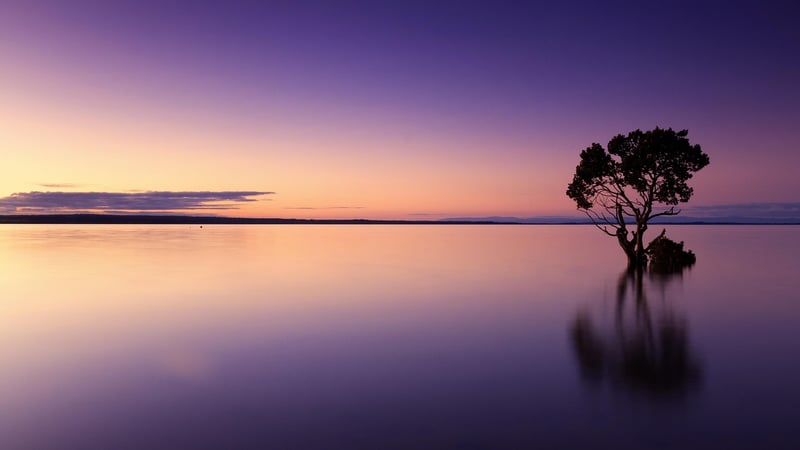
Explore the depths and unleash your creativity through the lens of underwater photography!